by ABC news Alexander Mallin and Adam Kelsey -
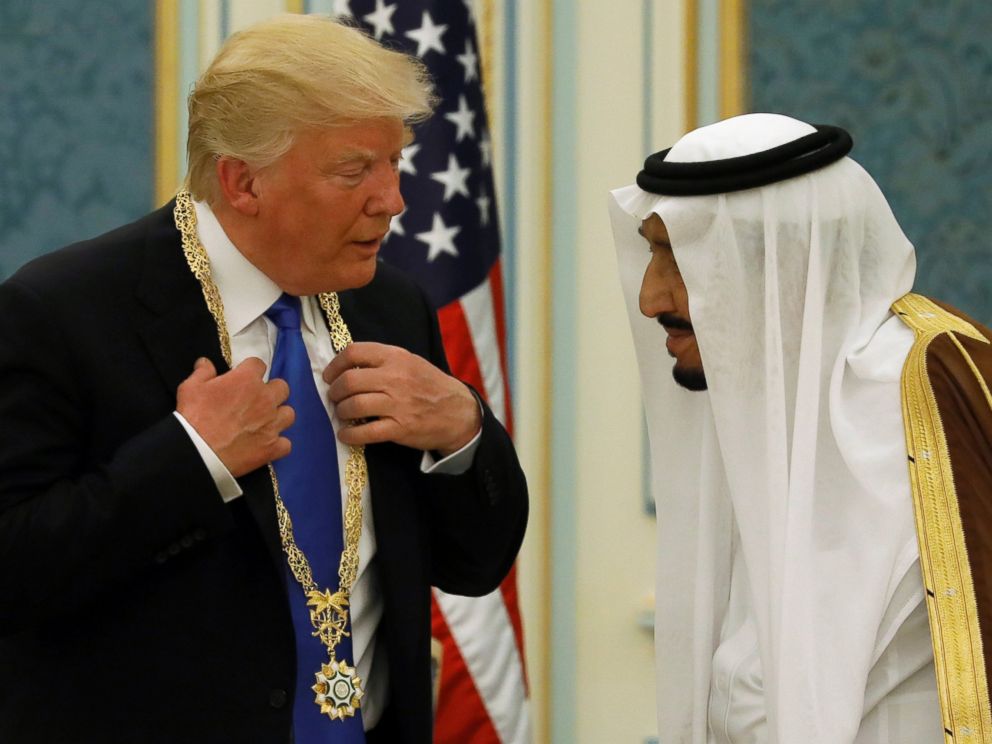
President Trump on his first foreign trip has arrived at the Royal Court Palace in Saudi Arabia where he will begin a full day of meetings with the country's royalty. The president was greeted by King Salman and honored with an elaborate red carpet ceremony. A Saudi military band then played the Star-Spangled Banner. The White House staff with the president -- Ivanka Trump, Jared Kushner, Steve Bannon, Reince Priebus, Joe Hagin, Hope Hicks, Dan Scavino, Sean Spicer and Dina Powell -- all shook hands with Trump and King Salman as they arrived. Trump was also presented with the Collar of Abdulaziz Al Saud, the Saudi nation's highest honor. After the award was bestowed, the president and king spoke briefly. Their conversation at one point touched on Syria, with King Salman heard noting that the now war-torn country used to be an advanced nation and pondering how quickly a country can be destroyed.
"Syria too used to be one of the most advanced countries," the king said. "We used to get our professors from Syria. They served our kingdom. Unfortunately, they too brought destruction to their own country. You could destroy a country in mere seconds, but it takes a lot of effort." President Donald Trump arrived in the Saudi Arabian capital of Riyadh Saturday morning, marking the kick-off of his first foreign trip as president.
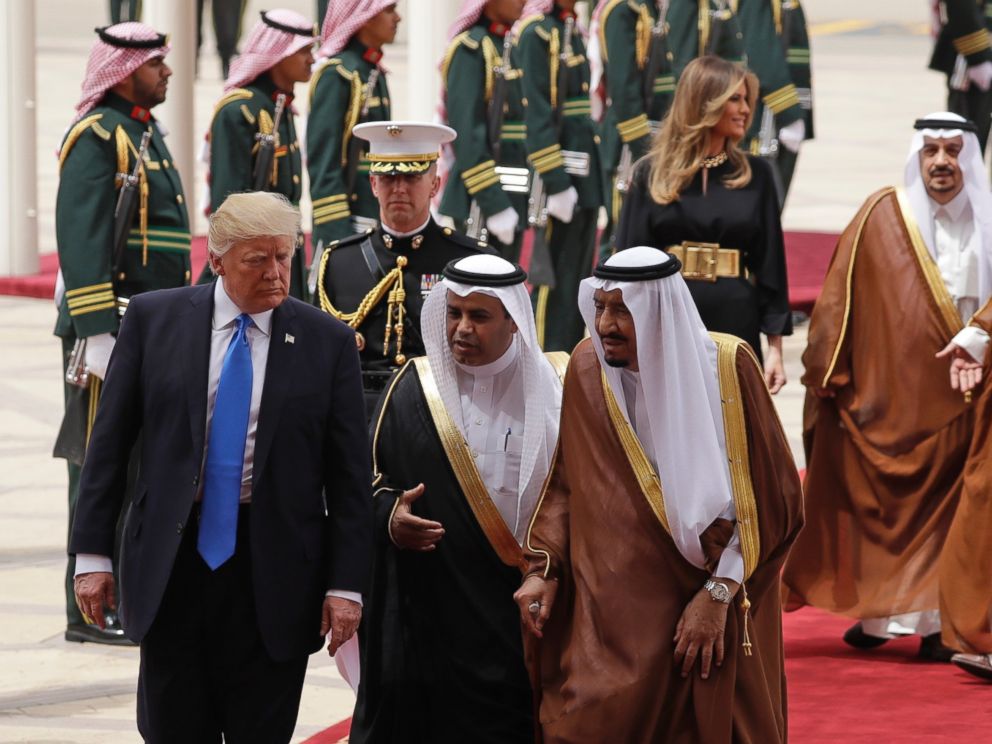
The ceremony at the palace came after the president and first lady Melania Trump landed at King Khalid International Airport around 9:45 a.m. local time after an overnight flight from Washington on Air Force One.The Trumps descended down a set of stairs from the plane onto a red carpet, where they were greeted by King Salman. Ivanka Trump and husband Jared Trump exited the jet from the back steps, prior to the president. Ivanka wore an ankle-length dresss
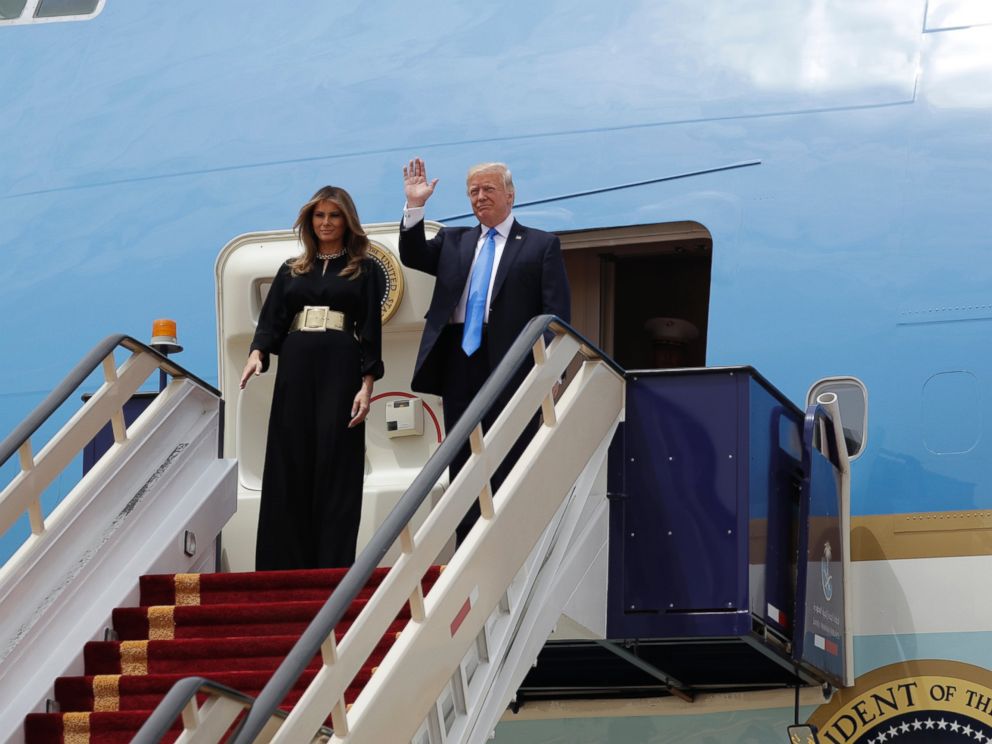
At the airport, King Salman joined the president for a walk down a red carpet, with the Saudi Royal Guard lined up at attention along either side with trumpets playing. Jets also flew overhead, leaving behind a stream of smoke in red, white and blue. The first lady followed behind, dressed in a flowing black jumpsuit and a gold belt.The president and first lady then walked into the terminal where a coffee reception with King Salman was held. The pair spoke through an interpreter inside the terminal, according to The Associated Press.
by Arab News RIYADH: US President Donald Trump Saturday dined at Al-Yamamah Palace in Riyadh during an official luncheon hosted by King …

by Makram Rabah - middleeasteye.net/ The views expressed in this article belong to the author and do not necessarily reflect khazen.org
Since the 9/11 attacks, it's mostly been radical Sunni groups that have been branded by governments and the media as responsible for militant activities. This predisposed singling out of Sunni Islam, however, is occasionally disturbed by the US government's issuance of financial sanctions against groups organically linked to the Iranian Revolutionary Guard Corps (IRGC). Hezbollah, the IRGC's Lebanese affiliate, has been foremost among them. Accused of blowing up the US Embassy and Marine Barracks in Beirut in 1983 and an assortment of other violent acts, Hezbollah, a fully-functioning and legal political party in Lebanon, has been the target of financial sanctions, the most recent and inclusive of which is the law (Public Law No: 114-102) passed by the US Congress two years ago.
The Hezbollah International Financing Prevention Act, which placed major restrictions and measures on the Lebanese banking sector, seems to be under review by the US government, which is convinced of its shortcomings. Washington believes it needs urgently to widen the sanctions net and cripple Hezbollah, whose activities are no longer restricted to Lebanon but stretch to Syria and, according to some, on to Iraq, Bahrain and Yemen.
Setting off alarms
These forthcoming revised sanctions have naturally set off alarm bells within Lebanese political and economic circles, which cannot afford to be further discredited and branded as patrons of terror. Consequently, the government has dispatched several defunct parliamentary delegations to appeal to the US administration and to declare Lebanon’s commitment to abiding with these sanctions in a way which will not implode the economy. The intended message was palpably heard by all sides concerned: continuing to implement these sanctions would not bode well for anyone involved These lobbying efforts were augmented with more effective and practical outreach efforts by the Association of Banks in Lebanon (ABL), which naturally, and for practical purposes, wants to avoid having its member banks blacklisted merely for dealing with a client that happens to be a member of Hezbollah.
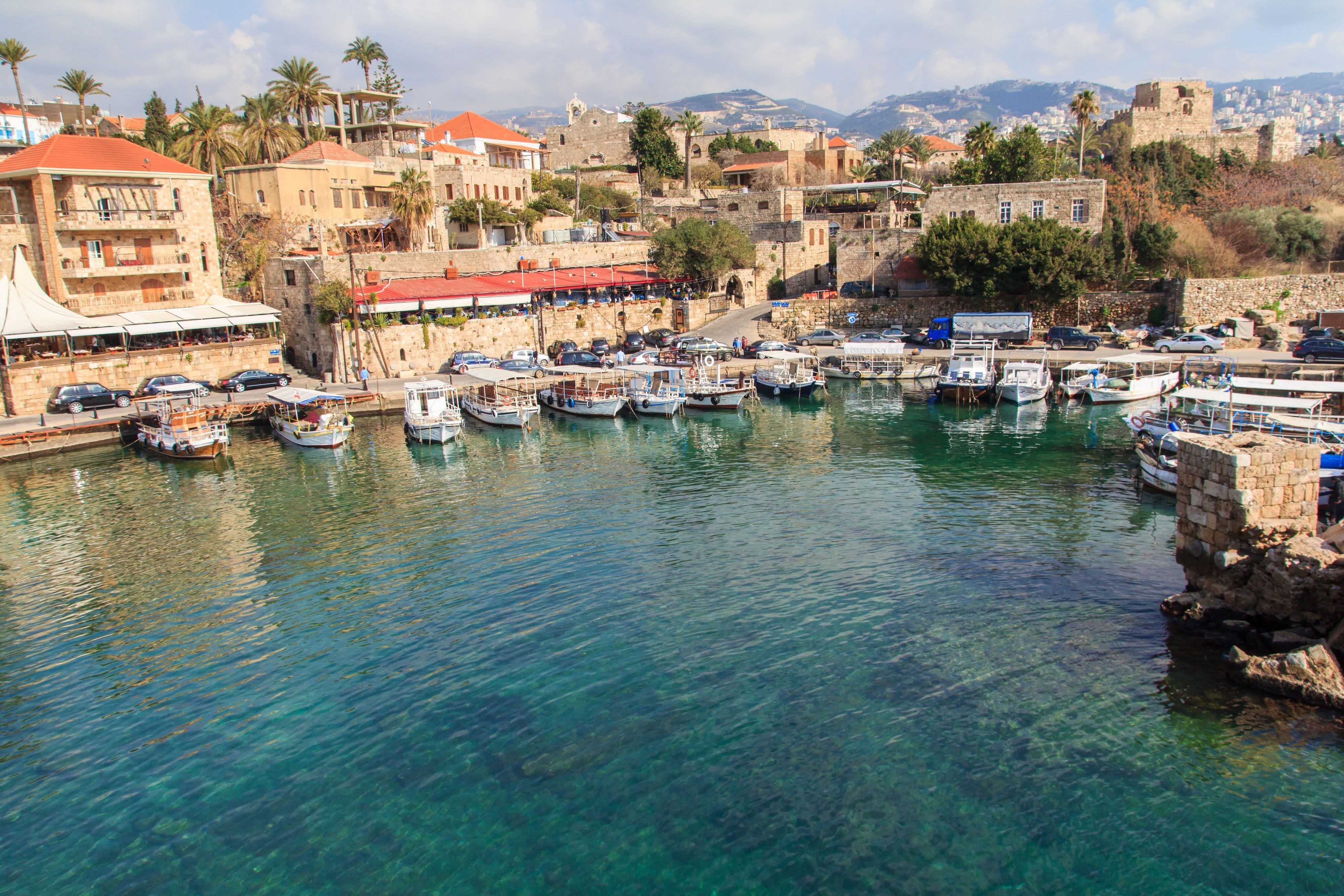
The most hospitable country in the Middle East is also one of the most beautiful.
By Bill Wiatrak - The U.S. immigration officer asked me where I had flown in from. “Lebanon,” I replied. “It’s pretty dangerous over there,” he remarked. “Actually, it’s not,” I countered. “They were some of the nicest people I’ve ever met.” The officer muttered something as he put a special mark on my embarkation card: a “random” mark, according to him, that got me a VIP pass to the special search-them-extra-good room. Lebanon has an image problem. Once considered the place to see-and-be-seen in the Mediterranean, the country suffered greatly during the civil wars that raged from 1975 to 1990. The Lebanon hostage crisis that lasted for 10 years during the height of the civil wars didn’t help matters either, while images of a bombed-out Beirut blasted across television networks deterred most tourists to the region during the 1980s and 1990s. For a very long time, it was hard to think about Lebanon without thinking of mortar shells and machine guns.
Population Movements to Keserwan - The Khazens and The Maans
ما جاء عن الثورة في المقاطعة الكسروانية
ثورة أهالي كسروان على المشايخ الخوازنة وأسبابها
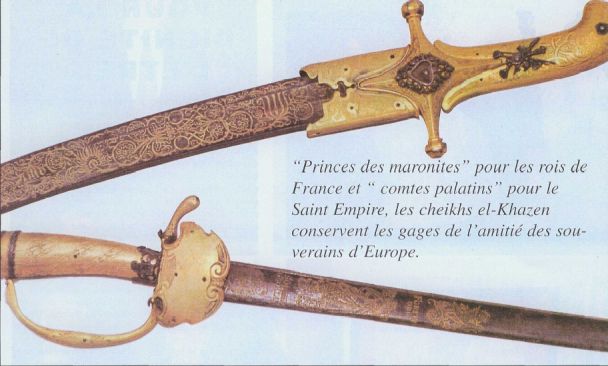
Origins of the "Prince of Maronite" Title
Growing diversity: the Khazin sheiks and the clergy in the first decades of the 18th century
Historical Members:
Barbar Beik El Khazen [English]
Patriach Toubia Kaiss El Khazen(Biography & Life Part1 Part2) (Arabic)
Patriach Youssef Dargham El Khazen (Cont'd)
Cheikh Bishara Jafal El Khazen
Patriarch Youssef Raji El Khazen
The Martyrs Cheikh Philippe & Cheikh Farid El Khazen
Cheikh Nawfal El Khazen (Consul De France)
Cheikh Hossun El Khazen (Consul De France)
Cheikh Abou-Nawfal El Khazen (Consul De France)
Cheikh Francis Abee Nader & his son Yousef
Cheikh Abou-Kanso El Khazen (Consul De France)
Cheikh Abou Nader El Khazen
Cheikh Chafic El Khazen
Cheikh Keserwan El Khazen
Cheikh Serhal El Khazen [English]
Cheikh Rafiq El Khazen [English]
Cheikh Hanna El Khazen
Cheikha Arzi El Khazen
Marie El Khazen