Pope Francis arrives in Cairo on Friday — the first visit by a pontiff to the Middle East’s most populous country in 17 years — at a time when Christians across the region find themselves under threat by political repression and violent attacks. In Egypt, Coptic Christians have been chased from their homes, their churches and a monastery attacked. In Iraq, Assyrians have been displaced from villages, whole neighborhoods and business districts gutted by Islamic State. In the West Bank, Iran and Lebanon, Christians have grown accustomed to celebrating under guard.
“Some of the oldest Christian communities in the world are disappearing in the very lands where their faith was born and first took root,” concluded a Center for American Progress report on the plight of Christians in the Middle East.The Middle East-North Africa area has the highest concentration of Muslims of any region of the world: 93% of its more than 340 million inhabitants. Christians in the region face not only the threat of Islamist violence, but subtler challenges. Many wind up leaving because they can’t find jobs and face social discrimination. Countries such as Saudi Arabia make it difficult for Christians to practice their faiths openly. We talked to Christians across the region, from Egypt to Iran, on the eve of the pope’s visit.

Beirut – The Lebanese Army Command announced on Tuesday that it was intensifying its “preemptive” attacks against extremist bases and locations on the outskirts of the northeastern border town of Arsal. The offensive coincided with the arrival of a new batch of American weapons to the army. The cargo was unloaded at the Riyaq airport. The operations, which have been upped for a week, indicate that the Lebanese military has taken the decision to decisively end the presence of extremists on the outskirts of Arsal. The militants from groups, such as ISIS and al-Nusra Front, have taken up the mountainous border area as a safe haven.
Lebanese political forces informed on the operations told Asharq Al-Awsat that the preemptive measures “target the militant fortifications to prevent their expansion” into other areas and to “thwart their mobility.” President Michel Aoun had highlighted to Army Commander Joseph Aoun and members of the Military Council last week the importance of the preemptive operations in order to prevent terrorist attacks in Lebanon, revealed the sources.
The army had carried out at dawn on Tuesday a wide military operation against ISIS positions in Lebanon’s eastern mountain range. The National News Agency said that 20 ISIS members were killed and wounded in the operation in the outskirts of Ras Baalbek.
features.foreignpolicy.com
A
decade ago, while studying at business school in San Francisco, Fadi
BouKaram started feeling homesick for the sunbaked hills of his native
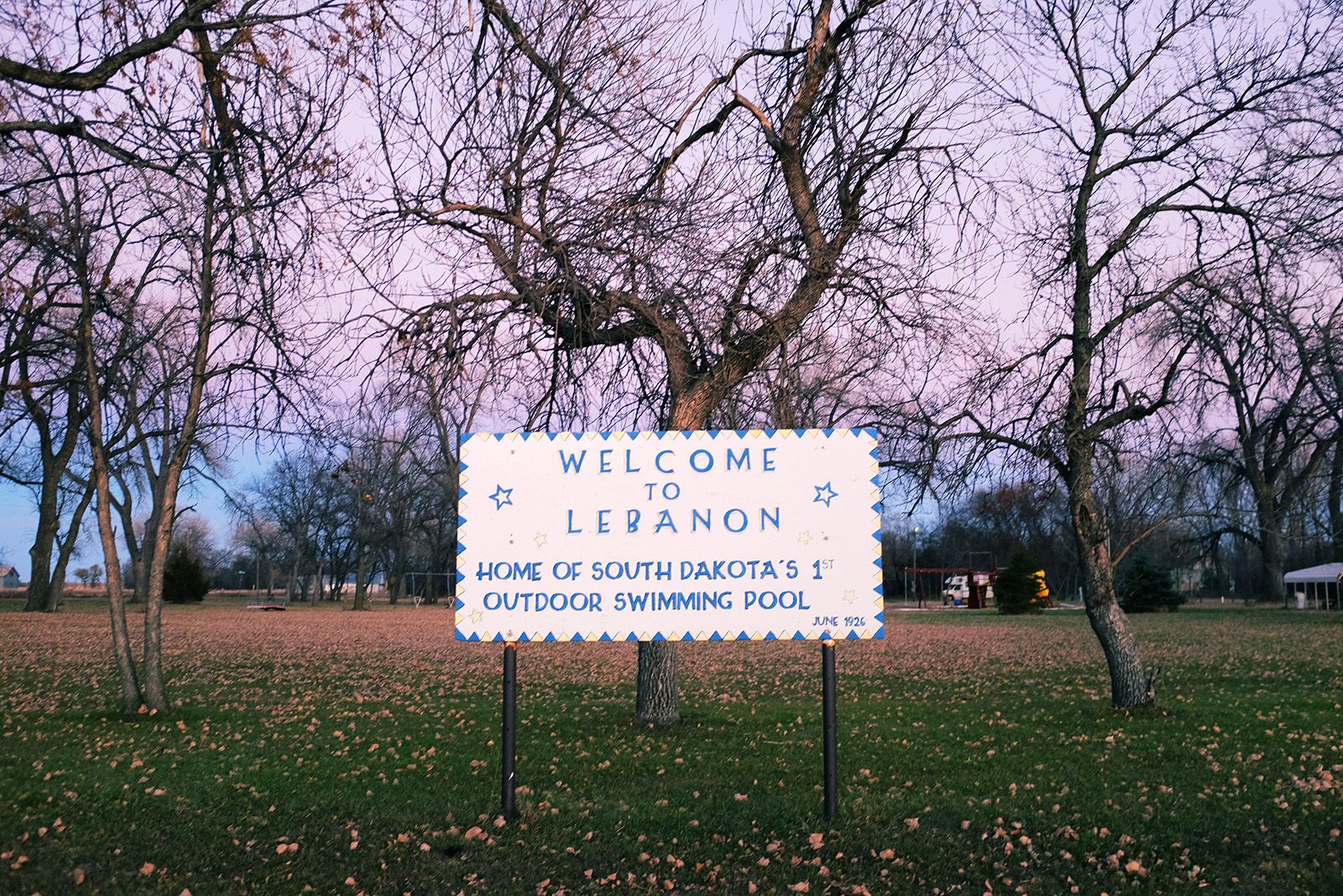
Lebanon. He typed “Lebanon” into Google Maps — and was stunned to find
himself looking not at the Middle East, but at Lebanon, Oregon, a mere
nine-hour drive from his apartment. He was puzzled: There was a U.S.
Lebanon? Could there be more?
Another quick search led him to Lebanon, Pennsylvania. Then to Lebanon,
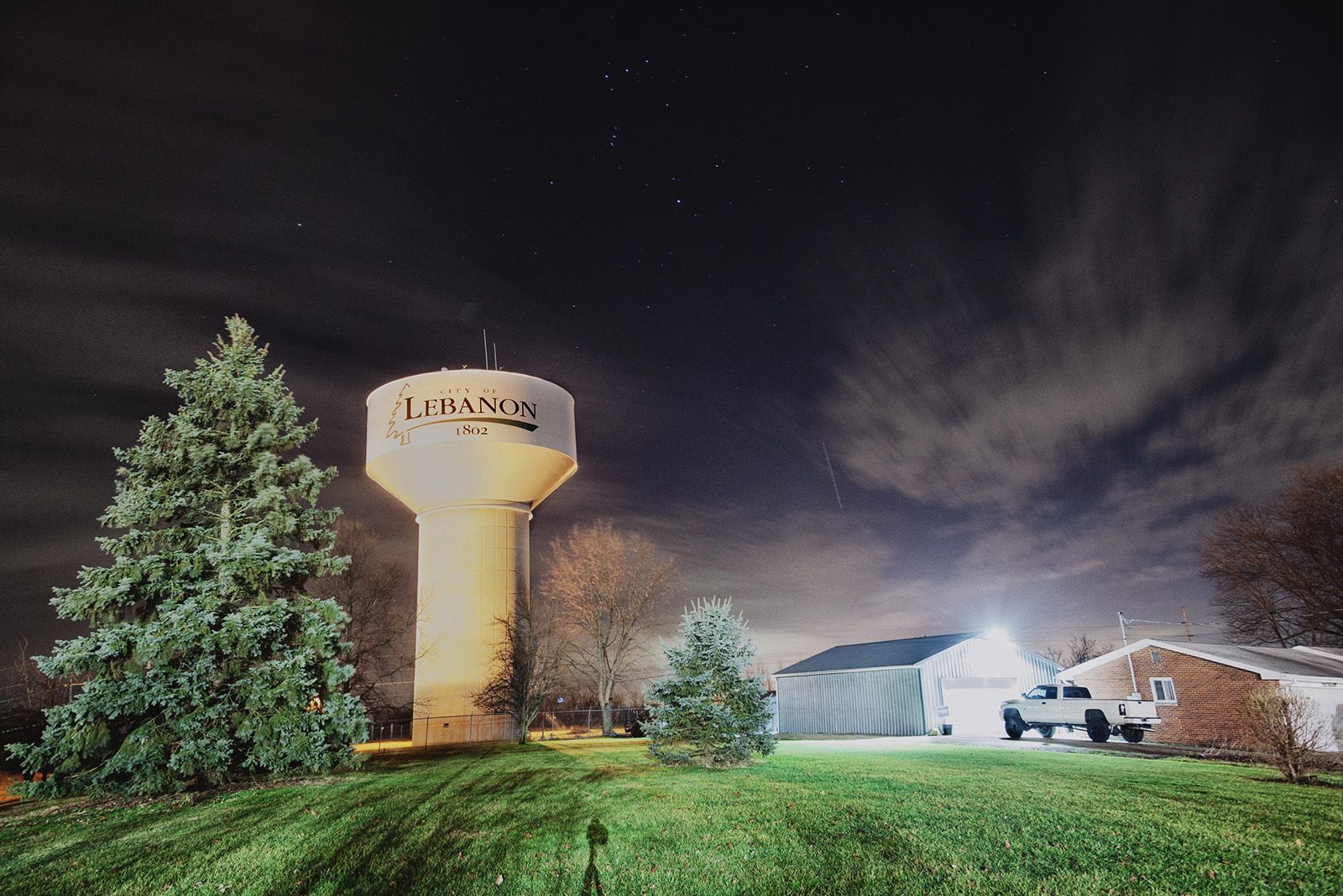
Kentucky. Altogether, he found more than 50 Lebanons in the United
States. The reason, of course, is that the word “Lebanon” appears more than 70 times in the Old Testament. What, BouKaram wondered, if one day he visited all of them?
Ten years later, this germ of an idea had landed him in a police station
in Albuquerque, New Mexico, chasing a mother-daughter meth-dealing team
that had stolen and gutted his rented recreational vehicle, the one he
had slept in for five months, the one that had carried him 17,800 miles
through 37 states, and left him with a better understanding of the
American heartland than nearly all his coastal elite friends. But more
on that later.
BouKaram, now 38, spent much of his childhood in bomb shelters in the
Beirut suburb of Sabtieh at the height of Lebanon’s civil war in the
1980s. The war, combined with the conflict with Israel, left the country
decrepit in every way. BouKaram got his degree in electrical
engineering and soon landed a job. In 2005, he was so close when former
Lebanese Prime Minister Rafik Hariri was assassinated with a car bomb
that his face was cut with glass from the explosion. “I needed a break,”
said BouKaram, who decamped to San Francisco shortly after to study.

by Josh Wood
BEIRUT // For generations, Armenians have been involved in an uphill battle for the international community to recognise the Ottoman Empire’s massacre of their descendants during the First World War as genocide. Now, 102 years after the slaughter and death marches began, and with Turkey not only continuing in its denial of genocide, but also lobbying against it being labelled as such by other countries, recognition may have finally come from an unlikely place. Hollywood.
The Promise, which opens in UAE cinemas on Thursday, brings the story of the massacre to the big screen for the first time, portraying a love triangle between a hard-drinking but fearless American reporter (Christian Bale), a young Armenian medical student from the countryside (Oscar Isaac) and a cultured Armenian nanny (Charlotte Le Bon) at the outset of the killings. The film has received mixed reviews from critics, with some panning it as cliched, and it tanked at the box office over its opening weekend in North America. But that seems to matter little to cinema-goers in Lebanon, home to hundreds of thousands of Armenians whose ancestors fled here to escape the violence. Nor does it seem to matter that the characters lack depth or that the tale is told through a decidedly American lens, with a focus on the reporter character and English used throughout the film.
What does matter is that the massacre is portrayed as a genocide. Released in Lebanon just before the annual April 24 commemoration of the massacre, screenings of The Promise have been packed. Christ Kojamanian, 23, said he cried through two showings of the film during its opening weekend. "It’s very good, it’s an excellent movie," he said. "There is so much bad stuff about the Turks – but it’s all real." Mr Kojamanian said he hoped the film would raise awareness about the killings 100 years ago. "We will keep fighting for the recognition of the genocide. We are waiting for America to do it – they are the king," he added. The United States is among a majority of countries that do not recognise the killing of an estimated one and a half million Armenians as genocide. Mr Kojamanian spoke to The National at a gathering of thousands of Armenians in downtown Beirut on Monday to commemorate the 102nd anniversary of the killings which are generally considered to have started in April 1915. To Lebanese Armenians, the massacre is more than a painful historical event: It is the reason that most of them are here in Lebanon, hundreds of kilometres from their ancestral homeland, and represents a battle they are still fighting. Although the first Armenians to settle in Lebanon arrived in the fourth century as Christian pilgrims en route to Jerusalem, their numbers remained small until after 1915.

Population Movements to Keserwan - The Khazens and The Maans
ما جاء عن الثورة في المقاطعة الكسروانية
ثورة أهالي كسروان على المشايخ الخوازنة وأسبابها
Origins of the "Prince of Maronite" Title
Growing diversity: the Khazin sheiks and the clergy in the first decades of the 18th century
Historical Members:
Barbar Beik El Khazen [English]
Patriach Toubia Kaiss El Khazen(Biography & Life Part1 Part2) (Arabic)
Patriach Youssef Dargham El Khazen (Cont'd)
Cheikh Bishara Jafal El Khazen
Patriarch Youssef Raji El Khazen
The Martyrs Cheikh Philippe & Cheikh Farid El Khazen
Cheikh Nawfal El Khazen (Consul De France)
Cheikh Hossun El Khazen (Consul De France)
Cheikh Abou-Nawfal El Khazen (Consul De France)
Cheikh Francis Abee Nader & his son Yousef
Cheikh Abou-Kanso El Khazen (Consul De France)
Cheikh Abou Nader El Khazen
Cheikh Chafic El Khazen
Cheikh Keserwan El Khazen
Cheikh Serhal El Khazen [English]
Cheikh Rafiq El Khazen [English]
Cheikh Hanna El Khazen
Cheikha Arzi El Khazen
Marie El Khazen